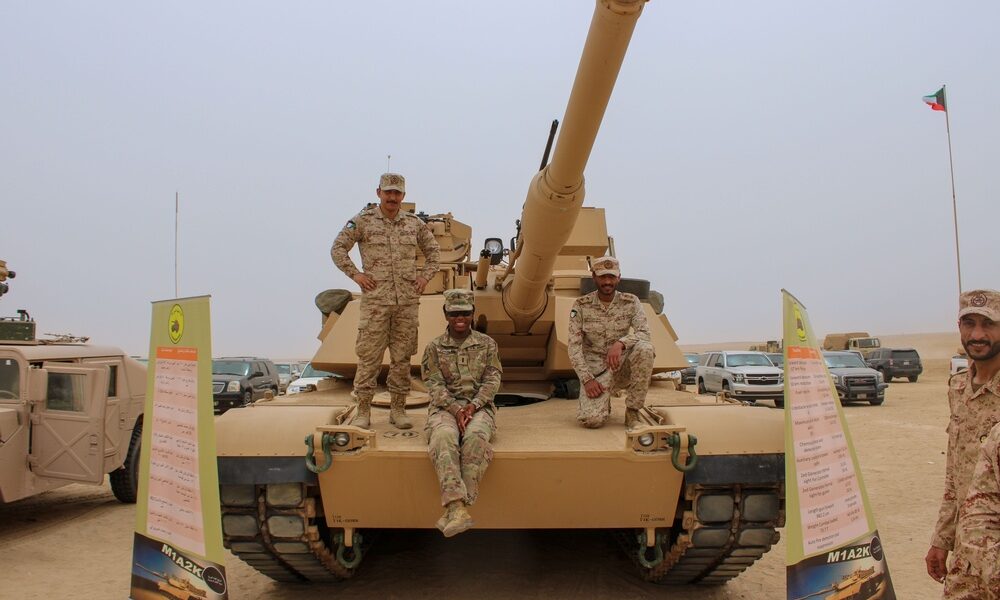
The Complete Guide to M1 Abrams Tank Variants: From M1 to M1A2 SEPv4
M1 Abrams variants have gotten complicated with all the upgrades, sub-variants, and enhancement packages flying around. As someone who grew up around Army bases and spent years crawling over these machines at shows, museums, and the occasional depot open house, I learned everything there is to know about the Abrams family tree. Today, I will share it all with you.
Look, I get it. You search “Abrams tank” and you get buried in acronyms. SEP, SEPv2, SEPv3, TUSK, CITV — it’s enough to make your head spin. But once you understand the progression, it actually makes a lot of sense. Each variant solved real problems that crews ran into, and that’s what makes the Abrams story so fascinating.
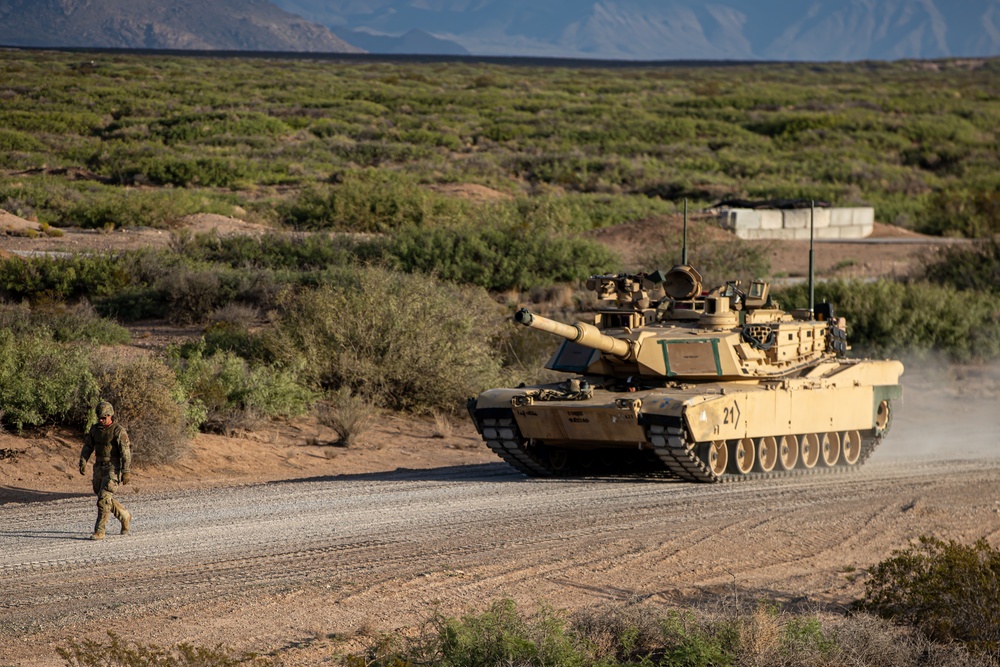
Origins: The XM1 Development Program
The Abrams didn’t come from nowhere. It crawled out of the wreckage of the MBT-70 program, which was this joint U.S.-German project that basically imploded under its own weight. Too much complexity. Too much money. The whole thing fell apart by 1971.
So in 1972, the Army said “let’s try again” and kicked off the XM1 program. The requirements were straightforward this time: build a tank that can kill the latest Soviet armor and actually work in the field without breaking down every other day. Simple enough, right?
Chrysler Defense and General Motors both threw their hats in the ring. Chrysler went bold with a gas turbine engine — which was pretty radical for a tank at the time. They won the competition in 1976. The AGT-1500 turbine cranks out 1,500 shaft horsepower, which is just absurd when you think about it. This thing can go from 0 to 20 mph in about 7 seconds. In a 60-ton tank. Let that sink in.
They named it after General Creighton Abrams. Good choice, in my opinion. The man led armored forces during the Battle of the Bulge and later commanded all U.S. forces in Vietnam. If you’re going to put somebody’s name on America’s premier tank, you could do a lot worse.
Production started at the Lima Army Tank Plant in Ohio — same place they still build them today. The original contract covered 3,312 tanks at roughly $785,000 each in 1980 dollars. That’s a bargain by modern standards. And boy, has that investment paid off.
M1: The Original Variant (1980-1985)
Probably should have led with this section, honestly. The original M1 was a game-changer right out of the gate. That 1,500-horsepower Honeywell turbine pushed this 60-ton beast to over 45 mph on roads. Forty-five miles per hour. In a tank. Cross-country, you’re looking at 30-plus mph, which absolutely blew people’s minds during training exercises.
Now, the gun situation on the early M1 wasn’t perfect. They went with the 105mm M68A1 rifled gun, which was basically a licensed copy of the British L7. Solid weapon, don’t get me wrong. It could sling APFSDS, HEAT, and HESH rounds all day long. But everyone knew a bigger gun was coming. The 105 was a placeholder, and the crews knew it.
Where the M1 really shined was protection. The composite armor — layers of steel, ceramics, and other stuff they still won’t tell us about — gave you protection equivalent to way thicker conventional steel at a fraction of the weight. People call it Chobham armor after the British research facility, though the exact recipe remains classified. I’ve asked. They don’t share.
The crew setup was four guys: commander, gunner, loader, and driver. Commander sits up in the right rear of the turret with an M2 fifty-cal and six periscopes so he can see all around. Gunner sits forward and below, running the main gun through what was, at the time, incredibly sophisticated fire control. Loader’s on the left, grabbing rounds from the bustle magazine. And the driver gets a semi-reclined seat up front in the hull. I’ve sat in one. It’s not exactly a La-Z-Boy, but it works.
The fire control package was the real secret sauce. Laser rangefinder, ballistic computer, thermal imager for night ops. Soviet tank crews were still using optical rangefinders and IR searchlights. American tankers could see and shoot in conditions that left the competition blind. That advantage mattered. A lot.
They built roughly 3,300 original M1s before moving on. Many got upgraded later. Some ended up as training vehicles. Others sit in storage as war reserves, gathering dust but ready if things ever go sideways.
M1 Improved Product (IP) and M1A1 (1985-1993)
The Improved Product was basically a bridge to the M1A1. Better armor on the turret front, tweaked suspension based on what crews had been dealing with in the field. Tankers said the ride got noticeably smoother over rough ground, which matters more than you’d think when you’re bouncing around inside a steel box for hours.
But the M1A1? That’s where things got serious. The big headline was the M256 120mm smoothbore gun — a licensed version of the German Rheinmetall L/44. This weapon changed everything. We’re talking tungsten penetrators leaving the barrel at over 1,700 meters per second. The smoothbore design lets you use longer penetrator rods because the round doesn’t need to survive the stress of spinning like it does in a rifled gun. Physics, man.
One thing I always point out to people is the ammo storage design. Main gun rounds sit in the turret bustle behind blow-off panels. If the ammo takes a hit and cooks off, the panels direct the explosion up and away from the crew. It’s brilliantly simple, and it’s saved lives. Real lives. That’s not abstract engineering — that’s somebody’s kid coming home because the designers thought ahead.
Then came the depleted uranium armor upgrade, designated Heavy Armor. DU is incredibly dense, so it gives you protection equivalent to much thicker conventional armor. It adds weight, sure. But the tradeoff is worth it when somebody’s shooting at you.
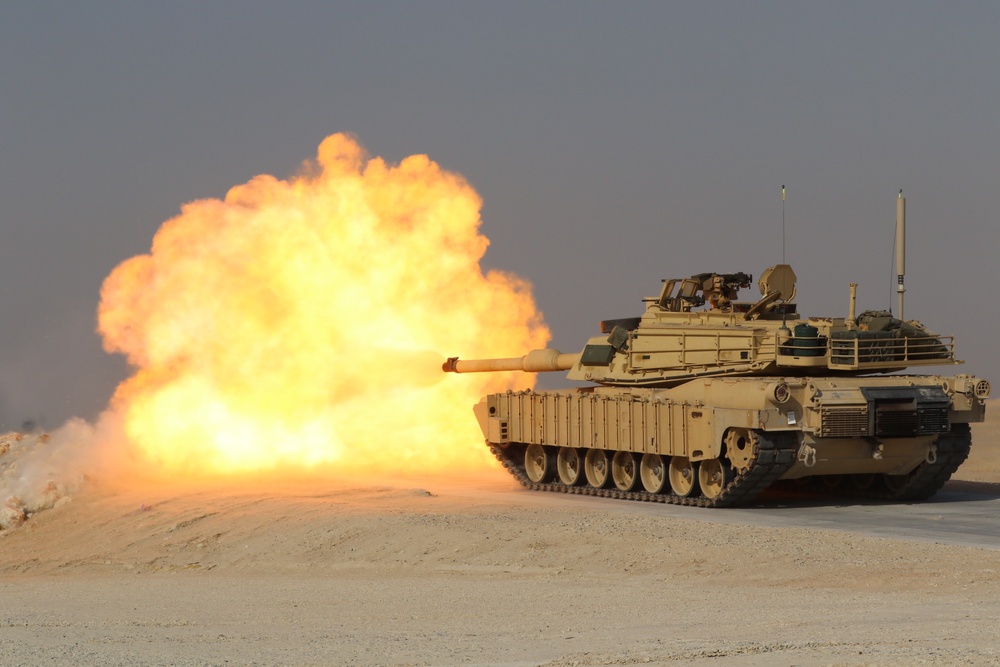
And then came Desert Storm. I still remember watching the news coverage as a kid. M1A1s were destroying Iraqi armor at ranges over 3,000 meters — that’s almost two miles. Zero Abrams losses to enemy tank fire. At the Battle of 73 Easting, the 2nd Armored Cavalry Regiment’s M1A1s wiped out over 30 Iraqi tanks in 23 minutes. Twenty-three minutes! Iraqi crews couldn’t even identify what was hitting them before they were burning.
My favorite story from that war: an M1A1 got stuck in the mud. Iraqi T-72 nails it with a direct hit. Round bounces off. The stuck Abrams then destroys the T-72. The M1A1 got pulled out, needed minor repairs, and was back in action within 24 hours. Try telling me that’s not the greatest tank ever built. I dare you.
M1A2: Welcome to the Digital Age (1992-Present)
The M1A2 was when the Abrams went from being a really good tank to being a networked fighting platform. Introduced in 1992, it brought the Inter-Vehicular Information System, or IVIS. For the first time, tank commanders could see friendly positions on digital maps. Sounds basic now. In 1992, it was revolutionary.
The commander’s independent thermal viewer was a huge deal too. It gives the TC a stabilized thermal sight completely separate from the gunner’s. So the commander can scan for the next target while the gunner is engaging the current one. Hunter-killer tactics. The CITV does a full 360-degree rotation independent of the turret, so the commander can sweep the whole battlefield without moving the gun. That’s a massive tactical advantage.
GPS navigation replaced the old systems. In featureless desert, this was transformative. No more guessing your position from a map and terrain association. You knew exactly where you were, and you could share that with everyone else instantly.
The fire control computer got a major brain upgrade too. Better algorithms for target motion, atmospheric conditions, ammo characteristics. Trained crews could go from target ID to round on target in under six seconds. That speed kills — literally.
One thing people overlook about the M1A2 is how it changed maintenance. All that digital gear meant new specialties, new training pipelines, software updates as part of routine maintenance. It wasn’t just a tank anymore. It was a weapons system with a tank attached to it.
M1A2 SEP: System Enhancement Package
By the late 1990s, the original M1A2 electronics were already getting hard to maintain. Components went out of production. Try finding spare parts for late-80s computer tech — it’s not fun. The System Enhancement Package addressed all of that.
Second-generation FLIR sights replaced the earlier thermal viewers. The improvement was dramatic. Where first-gen thermals gave you blurry shapes at range, the new sights let crews actually identify what they were looking at. That matters when you need to distinguish a tank from a truck at three kilometers.
They ripped out aging analog components and put in a new digital electronics architecture. Open systems approach, so future upgrades wouldn’t require starting from scratch every time. Standard computers running specialized software instead of custom hardware for everything. And they bumped onboard power to 500 amps because all those electronics are thirsty.
The improved cooling systems were a godsend for crews in Iraq and Afghanistan. Interior temps could hit 130 degrees Fahrenheit without adequate cooling. I’ve talked to tankers who described earlier deployments as basically sitting in an oven. The SEP upgrades made a real difference in crew endurance and morale.
M1A2 SEPv2: Lessons From Iraq
The SEPv2 showed up in the mid-2000s, and you can see the combat fingerprints all over it. Urban warfare in Iraq exposed problems nobody anticipated when the Abrams was designed to fight Soviet tanks across the plains of Germany. Different war. Different problems. Different solutions.
The Remote Weapons Station was probably the biggest quality-of-life improvement. A .50 cal mounted remotely, operated from inside the tank. Commanders no longer had to stick their heads out of the hatch to use the fifty. In cities full of snipers and IEDs, that was literally lifesaving. The camera gave you zoom and thermal imaging, so you could engage precisely even at night.
Then there was TUSK — the Tank Urban Survivability Kit. Reactive armor tiles on the sides to beat RPGs. Loader’s armor shield. Rear camera for backing up in narrow streets without crushing stuff or people. Extra belly armor for buried bombs. A TUSK-equipped Abrams looks like it’s wearing a suit of medieval armor compared to the clean lines of the standard config.
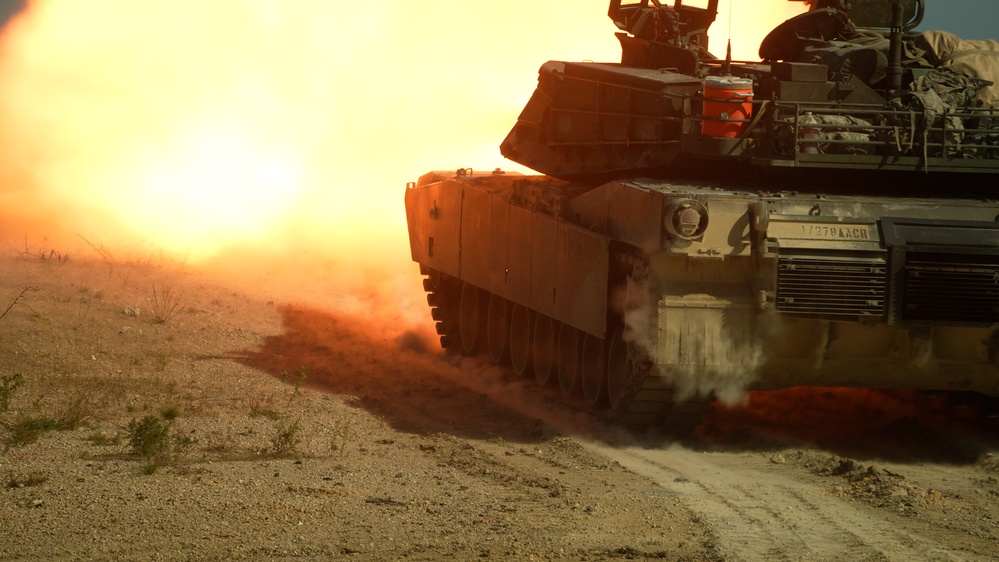
The auxiliary power unit was a brilliant addition. Main turbine burns about 10 gallons per hour just sitting there idling. Ten gallons. Per hour. The APU lets you run electronics and AC on about 2 gallons per hour. During those long hours sitting on a checkpoint or in an overwatch position, that adds up to massive fuel savings.
Data links to UAVs and recon assets extended the crew’s awareness way beyond line of sight. Getting a live video feed from a drone circling overhead while you’re buttoned up in a tank? That’s the kind of capability that changes how you fight.
M1A2 SEPv3: Current Production Standard
SEPv3 is what’s rolling off the line at Lima right now. General Dynamics started deliveries in 2017 and they’re still going. Over a decade of combat experience baked into every modification.
The power distribution system got completely redesigned. The tank now generates roughly 900 amps — almost double the SEP version. Why? Electronic warfare equipment, more powerful radios, and systems that haven’t even been fielded yet. The Army’s thinking ahead, and you need juice for that.
Third-gen FLIR is another step up. These sensors detect temperature differences of fractions of a degree. Camouflaged target hiding in a tree line? Not anymore. Resolution improvements push positive ID out past 4 kilometers. I’ve heard tankers describe it as going from standard definition to 4K. That’s an exaggeration, but not by much.
The ammunition data link capability is sneaky important. It lets the tank fire programmable munitions. The M1028 canister round is basically a giant shotgun shell packed with 1,150 tungsten balls. Then you’ve got multi-purpose rounds that can be set for airburst, point detonation, or delayed detonation depending on what you’re shooting at. One gun, many options.
Maintenance got easier too. New line-replaceable unit architecture means field crews can swap major components without waiting for depot-level support. That translates directly to higher readiness rates, which commanders obsess over for good reason.
And the tank came “trophy-ready” — meaning the architecture supports adding an active protection system down the road with minimal modification. Smart planning, even if the system wasn’t included on day one.
M1A2 SEPv4: The Cutting Edge
This is the latest and greatest, currently entering service. It’s what happens when you take decades of combat lessons and combine them with genuine concern about fighting near-peer adversaries. Not insurgents with RPGs. Actual modern military forces with their own high-tech gear.
Third-generation color displays replaced the old monochrome screens. Sounds minor until you realize crews were staring at green-on-green monitors for hours on end. Color displays showing multiple data sources simultaneously reduce workload and eye strain. The crews love it, and happy crews fight better.
The meteorological sensor package is the kind of nerdy detail I love. It measures temperature, pressure, humidity, and wind in real time, feeds it all straight to the fire control computer. At ranges past 2 kilometers, those atmospheric factors can push a round several meters off target. The SEPv4 corrects for all of it automatically. First-round hit probability goes up. End of discussion.
Electronic warfare systems address GPS jamming, network attacks, and other things they won’t talk about publicly. The Army’s clearly worried about what a peer adversary could do to disrupt their networked force. Smart worry to have.
Production’s slated to continue through the end of the decade. Existing tanks get upgraded, new builds roll off the line. Eventually every frontline Abrams will be SEPv4 spec.
Export Variants and Foreign Operators
That’s what makes the Abrams endearing to us armor enthusiasts — it’s not just an American thing. The platform has proven adaptable enough that allied nations keep coming back for more.
Australia runs 59 M1A1 AIM SA tanks, modified for their conditions. Extra cooling for the brutal Australian climate, comms gear that works with their networks. Makes sense.
Egypt has the biggest foreign fleet — over 1,000 M1A1s. They assemble them at a facility in Cairo using a mix of local and American parts. That’s a serious commitment to the platform.
Poland ordered 250 M1A2 SEPv3 tanks recently, which is one of the largest foreign sales ever. Given their neighborhood, I’d want the best tank I could get too. The deal includes training and support packages because you don’t just hand over 250 tanks and wave goodbye.
Iraq, Kuwait, Saudi Arabia, and Morocco have all gotten Abrams through foreign military sales. Each customer gets a specific equipment package based on their needs and, let’s be honest, how much sensitive tech we’re comfortable sharing.
Maintenance and Logistics: The Unsexy Reality
Nobody talks about this part, but it matters more than most people realize. Running Abrams tanks requires a massive logistics tail. That gas turbine drinks about 2 gallons per mile cross-country. A tank company on the move needs a constant stream of fuel trucks. It’s like feeding a family of teenagers — the food never stops disappearing.
Track maintenance eats up a huge chunk of peacetime hours. Each track link weighs over 150 pounds. Replacing damaged track in the field is backbreaking work. Tanks typically burn through one or two complete sets per year depending on how hard they’re driven and what kind of terrain they’re on.
The good news is the Army can completely rebuild an Abrams at depot. A tank goes in looking rough and comes out essentially brand new. Every worn component replaced, every system updated to current spec. This rebuild capability means the fleet can last basically forever — or at least until something better comes along.
Future Development: AbramsX and Beyond
General Dynamics showed off the AbramsX technology demonstrator in 2022, and honestly, it was pretty wild to see. Hybrid diesel-electric powertrain. Reduced crew through automation. Significantly lighter than current variants. It looked like the Abrams went to the gym and got a cyberpunk makeover.
The hybrid system could cut fuel consumption in half compared to the turbine. Electric drive also means silent running capability and a smaller thermal signature. For a vehicle whose turbine whine can be heard from miles away, that’s a big deal.
An autoloader drops the crew from four to three. Other modern tanks have gone this route. Fewer people means a smaller target and lower personnel costs, but it raises real questions about maintenance workload and what happens when somebody gets hurt and you’re already short-handed.
Will any of this make it into production? Honestly, nobody knows yet. The Army’s evaluating optionally manned vehicles and might cherry-pick some AbramsX features while keeping the proven Abrams platform. We’ll see.
The Bottom Line
The M1 Abrams has been evolving for over four decades now. From the original M1 to the SEPv4 rolling off the line today, every variant solved real problems identified by real crews in real combat. That continuous improvement loop is what keeps the platform relevant.
The combat record speaks for itself. No crew member has ever been lost to enemy tank fire. Firepower has consistently overmatched every adversary, sometimes embarrassingly so. Desert Storm proved the concept. Iraq and Afghanistan proved the tank could adapt to wars nobody planned for.
Whatever comes next — more SEP versions, AbramsX tech, or an entirely new platform — the lessons from this remarkable machine will shape American armored warfare for a long time to come. And I’ll be here, tracking every development, because this stuff never gets old to me.

Stay in the loop
Get the latest military vehicles vault updates delivered to your inbox.