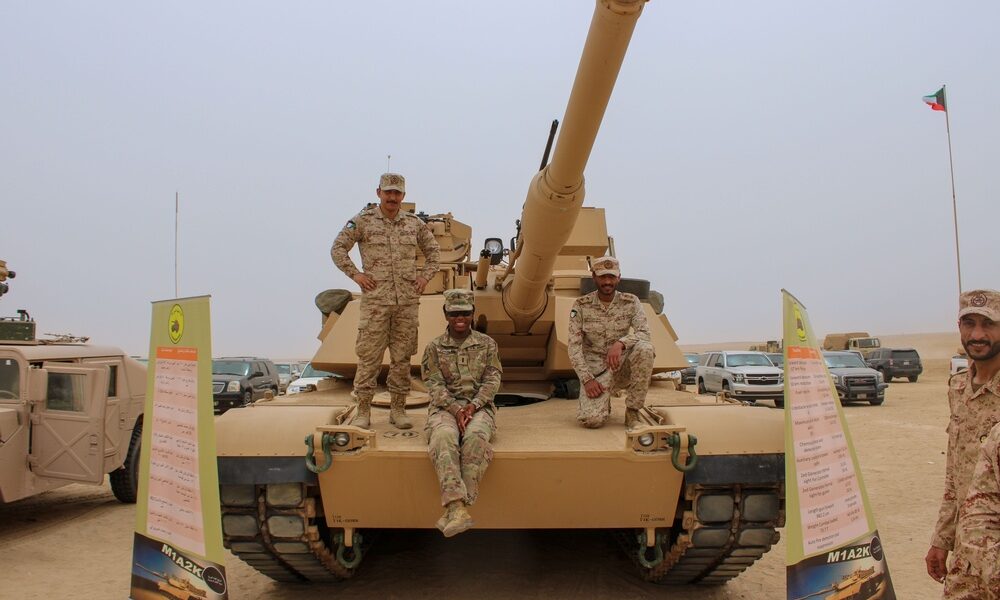
Amphibious vehicle development has started getting harder to follow with all the competing requirements and tragic lessons flying around Marine Corps planning discussions. As someone who’s spent years following this equipment evolution and talking to Marines who’ve actually operated these vehicles in training and combat, I put in the hours studying getting troops from ship to shore. Today, I will share it all with you.
This article includes affiliate links. We may earn a commission at no extra cost to you.
Amphibious assault vehicles bridge the critical gap between ship and shore, delivering Marines from vessels offshore to contested beaches where the enemy doesn’t want them. These specialized vehicles must swim in ocean swells, survive hostile fire during the approach, and fight effectively once they hit land—a demanding combination that has driven continuous innovation since World War II when we figured out the basics.
World War II Origins
Probably should have led in this section, frankly. The Landing Vehicle, Tracked—LVT, or “amtracs” as the troops called them—transformed amphibious warfare during World War II. These vehicles could swim from ships to shore and continue inland, crossing coral reefs and beach obstacles that would stop conventional landing craft cold. Over 18,000 LVTs supported Pacific island assaults, and the Marines couldn’t have taken those islands without them.
Early LVTs were lightly armored cargo carriers designed to haul supplies, not troops. Combat experience changed that fast—the corps learned hard lessons about what happens when you send unprotected vehicles into hostile fire. Those lessons led to up-gunned variants with turret-mounted guns and improved armor. That’s what makes the amtrac concept so enduring: the idea of an armored amphibious assault vehicle was born in combat and refined through experience.
The AAV-7 Era
The AAV-7 Amphibious Assault Vehicle entered Marine Corps service in 1972 and remained the primary amphibious vehicle for 50 years—that’s remarkable service life for any military platform. This aluminum-hulled vehicle carries 21 combat-equipped Marines from ship to shore at 8 mph water speed, then transforms into a tracked armored personnel carrier once it hits the beach.
The AAV-7 weighs 29 tons combat-loaded and mounts a .50 caliber machine gun and 40mm grenade launcher for fire support. Its ability to launch from amphibious ships well offshore and deliver infantry directly to objectives made it absolutely central to Marine Corps doctrine for decades. Every Marine who served in the infantry knew these vehicles intimately.
Survivability Challenges
Combat experience exposed AAV-7 limitations that planners had worried about for years. The vehicle’s aluminum armor provides minimal protection against modern weapons, and several AAV-7s were lost to IEDs in Iraq where they weren’t designed to operate. A tragic 2020 training accident that killed nine personnel highlighted serious concerns about water operations in high sea states—concerns that had been raised before but not adequately addressed.
The Marine Corps has implemented safety improvements while accelerating replacement programs, but the hard truth remained: the AAV-7’s age and limitations had become untenable for modern operations against capable adversaries. Something had to change.
The ACV: Next Generation
The Amphibious Combat Vehicle is replacing the AAV-7 with vastly improved capabilities across the board. The ACV swims faster—6+ knots versus the AAV-7’s 4 knots—carries better armor, and provides improved mine protection. Its automotive systems are more reliable for sustained operations, and the crew compartment offers genuine protection against modern threats rather than just weather.
The ACV represents a fundamental shift in amphibious vehicle design, prioritizing survivability alongside amphibious capability. That’s what makes this replacement so important. Marines can now launch from ships offshore and arrive at beaches with protection that actually means something against contemporary weapons. It’s about time.
Future Amphibious Operations
The Marine Corps is exploring distributed operations using smaller, faster craft for ship-to-shore movement that present harder targets than traditional amphibious formations. Light Amphibious Warships and autonomous vessels may complement traditional amphibious vehicles in future operations. However, the fundamental need for protected, capable amphibious assault vehicles will remain for the foreseeable future—someone has to carry Marines from ship to shore and be able to fight when they get there.

Stay in the loop
Get the latest military vehicles vault updates delivered to your inbox.