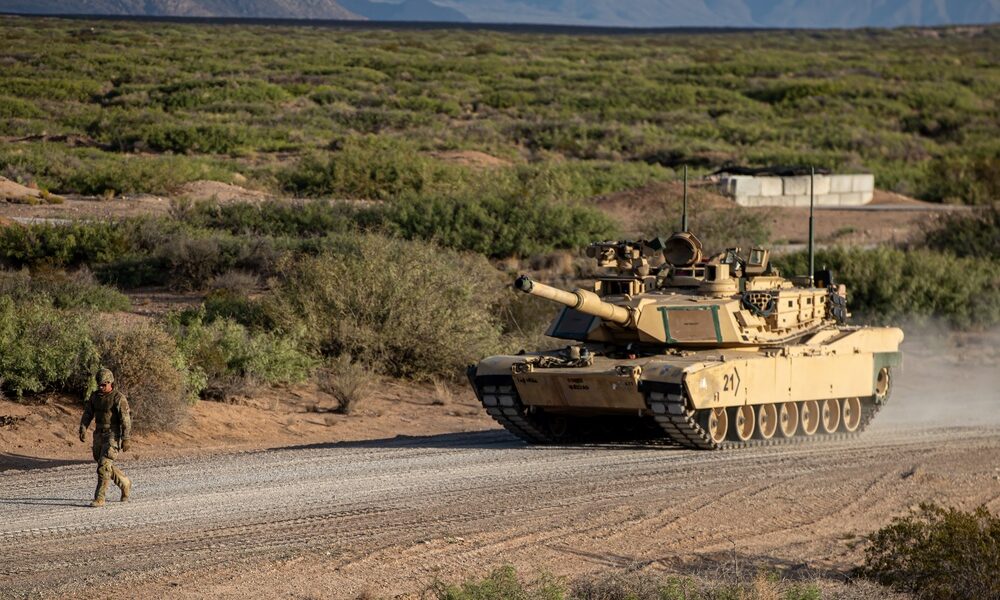
Bradley replacement discussions have turned into a moving target with all the competing requirements and budget realities flying around the Army’s acquisition process. As someone who’s been following armored vehicle programs for years, I picked up the practical knowledge of where the Bradley stands today. Today, I will share it all with you.
Bradley Fighting Vehicle production at BAE Systems continues at a steady pace as the Army evaluates options for the Optionally Manned Fighting Vehicle program—the program intended to eventually replace the Bradley. That “eventually” is doing a lot of work in that sentence.
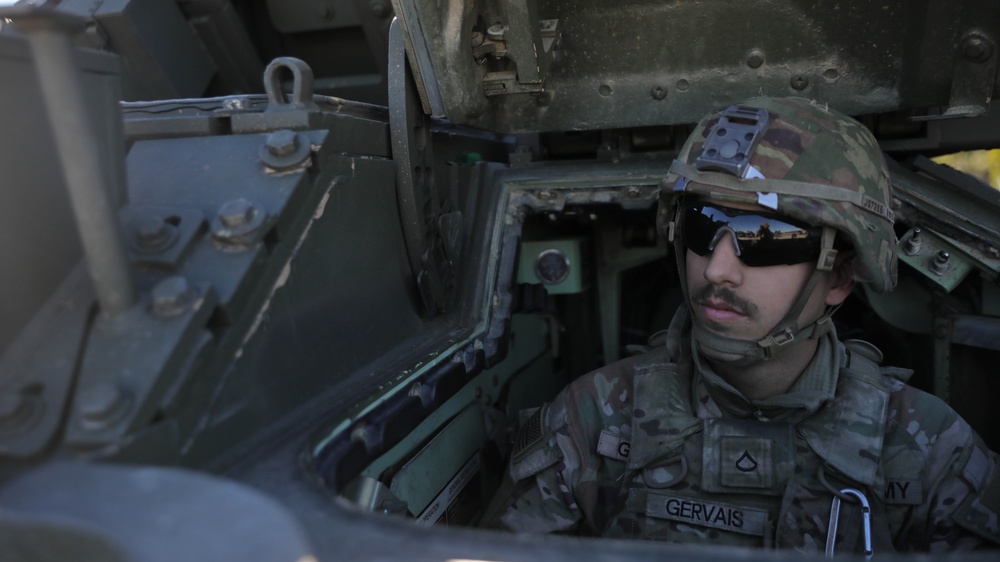
Probably should have led on this point, to be plain. Current upgrades focus on improved protection systems and enhanced electronics that extend Bradley capability pending OMFV fielding. The M2A4 configuration represents the latest upgrade standard, and it’s a significant improvement over earlier variants. The reality is that whatever replaces the Bradley won’t show up overnight, so keeping the current fleet as capable as possible makes sense.
Army officials emphasized that the Bradley remains combat-effective and will continue serving alongside any future replacement during a transition period potentially lasting a decade or more. That’s what makes this situation interesting—we’re looking at a very long overlap period where both platforms will be in the inventory. Soldiers currently learning to crew Bradleys will likely see both vehicles during their careers.

Stay in the loop
Get the latest military vehicles vault updates delivered to your inbox.