Finding military vehicle parts has gotten complicated with all the sketchy sellers and overpriced listings flying around the internet. As someone who’s been tracking down obscure components for over fifteen years, I learned everything there is to know about sourcing parts without getting burned. Today, I will share it all with you.
Back in the day, finding parts for these old military rigs meant knowing the right surplus dealers personally and showing up at the right auctions at 6 AM. Now, online marketplaces, specialty suppliers, and active communities have made the hunt easier than ever—but only if you know where to actually look and what to avoid.
Government Surplus Auctions
Probably should have led with this section, honestly. GovPlanet (which old-timers might remember as Government Liquidation) operates as the primary outlet for Department of Defense surplus these days. This online auction platform offers everything from complete vehicles to small parts lots that might have exactly what you need buried in them. Registration is straightforward, and inspections are often possible before bidding—take advantage of that when you can.
Pricing varies dramatically based on competition and lot composition. That’s what makes auction buying both exciting and frustrating. Some auctions attract minimal interest and you walk away with a steal. Others see fierce bidding for desirable items from people who apparently have unlimited budgets. Experienced buyers—myself included—monitor listings over time to understand actual market values before committing real money.
Other government auction sites include GSA Auctions for federal property and various state surplus programs that most people don’t even know exist. Military installations occasionally hold local sales with significantly less competition than the national online auctions. These can be goldmines if you’re willing to travel and keep your ear to the ground about schedules.
Specialty Surplus Dealers
Dealers like Memphis Equipment, Vintage Military Trucks, and others specialize specifically in military vehicle parts. These businesses do the hard work of sorting through raw surplus into useful categories, testing components, and providing some assurance of functionality before shipping. Yes, their prices exceed raw auction prices—but you’re paying for organized inventory, knowledgeable staff, and actual customer support when something goes wrong.
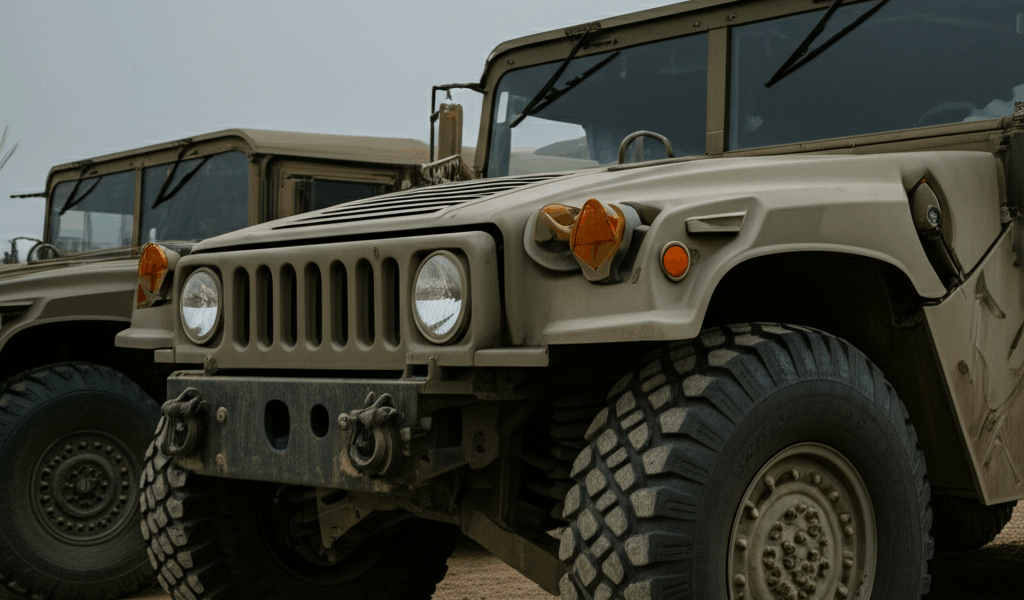
Some dealers focus on specific vehicle families—M35 parts, HMMWV components, or particular eras of military hardware. Finding the right specialist for your specific vehicle simplifies parts hunting considerably. I’ve built relationships with several dealers over the years, and those connections have saved projects more than once.
Civilian Cross-References
Here’s something that took me way too long to figure out: many military vehicle components have civilian equivalents sitting on auto parts store shelves. Engines often share parts with commercial truck applications from the same era. Filters, belts, and bearings frequently cross-reference to standard automotive parts numbers. Finding these cross-references saves serious money and dramatically improves parts availability.
Online forums are absolutely invaluable for cross-reference information. Members share discoveries about compatible parts, often with specific part numbers and suppliers included. That’s what makes the community so valuable—this collective knowledge represents years of expensive trial and error that you don’t have to repeat.
Online Communities and Marketplaces
Steel Soldiers, G503, and other forums host active classifieds sections where members sell parts, share contacts, and help identify mystery components you pulled out of a box at a swap meet. Facebook groups provide similar functions with different audiences—some of the best deals I’ve found came through there.
eBay carries substantial military vehicle parts inventory these days, though quality varies wildly. Reputable sellers have established track records and detailed feedback; unknown sellers require caution no matter how good the price looks. Photos and descriptions may not reveal hidden problems, so factor in some risk when you’re buying from someone without history.
Making Your Own
Some parts simply aren’t available anymore. Nobody’s making them, no surplus exists, and you’ve been looking for two years. Fabrication capability—or knowing someone trustworthy with it—becomes essential for certain repairs. The good news is that many military vehicle components are simple enough for competent fabricators to reproduce. Technical manuals, available free online now, provide the specifications you need to make accurate replicas.
I’ve had brackets, mounts, and even some body panels fabricated when original parts were unobtainable. It’s not ideal, but it keeps these vehicles on the road where they belong.