Modern Infantry Fighting Vehicles: A Comprehensive Comparison Guide
Comparing infantry fighting vehicles has gotten complicated with all the different designs and national philosophies flying around defense discussions. As someone who’s spent years studying armored vehicle development and talking to the soldiers who actually crew these machines, I learned everything there is to know about what separates the world’s premier IFVs. Today, I will share it all with you.
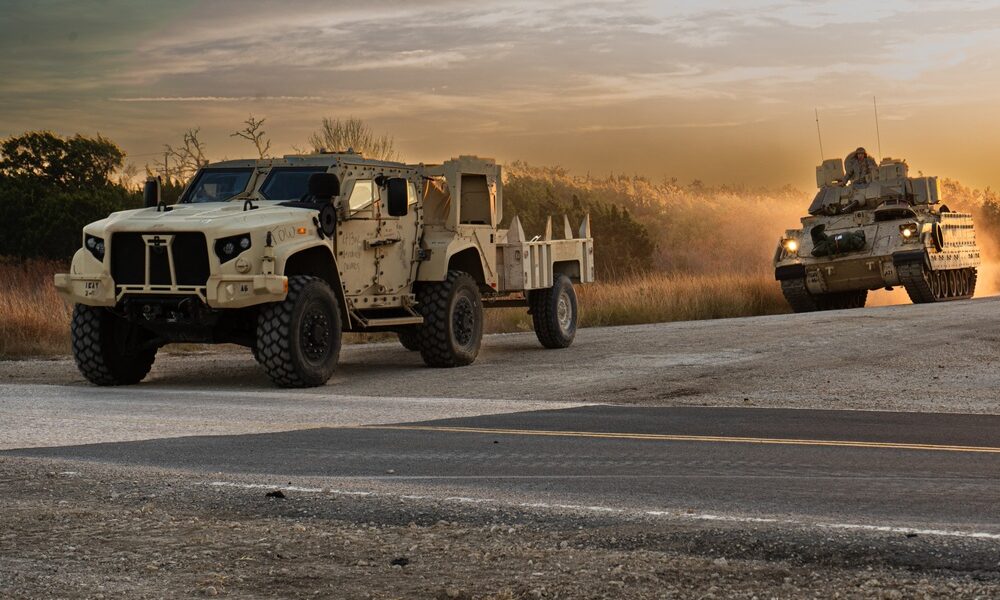
Infantry fighting vehicles represent a critical category of armored combat vehicles designed to transport infantry into battle while providing substantial fire support. Unlike simpler armored personnel carriers that primarily focus on protection and mobility, IFVs mount sophisticated weapon systems capable of engaging enemy armor, fortifications, and aircraft. This guide examines the world’s top infantry fighting vehicles, comparing their capabilities, combat records, and where they’re headed next.
Defining the Infantry Fighting Vehicle
Probably should have led with this section, honestly. The concept of the infantry fighting vehicle emerged during the Cold War as armies sought vehicles that could keep pace with main battle tanks while delivering infantry with the firepower to engage enemy armor. Early armored personnel carriers like the M113 could transport troops but lacked the weaponry to fight alongside tanks effectively—they were battle taxis, not fighting vehicles.
Modern IFVs typically feature a medium-caliber automatic cannon, anti-tank guided missiles, machine guns, and sophisticated fire control systems. They carry a squad of infantry in a protected troop compartment with firing ports or roof hatches for dismounted engagement. Protection levels vary significantly between designs, with some emphasizing mobility and others prioritizing armor.
That’s what makes IFV design so interesting—the balance between firepower, protection, mobility, and troop capacity defines each approach. No vehicle optimizes all parameters simultaneously, so designers make deliberate trade-offs based on intended operational requirements and doctrinal preferences. Understanding those trade-offs helps explain why so many different designs exist.
M2 Bradley Fighting Vehicle (United States)
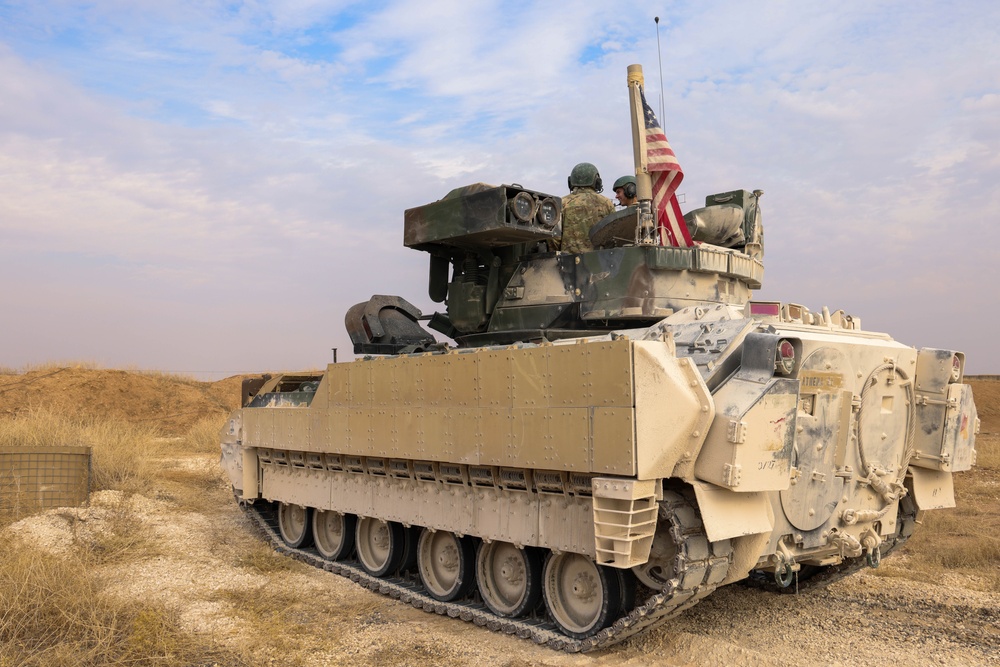
The M2 Bradley has served as the primary American infantry fighting vehicle since entering service in 1981. Developed by FMC Corporation (now BAE Systems), the Bradley replaced the M113 armored personnel carrier in mechanized infantry units and has undergone continuous upgrades throughout its service life. The soldiers I’ve talked to generally respect it, even while complaining about specific quirks.
The Bradley’s main armament consists of the M242 Bushmaster 25mm chain gun, capable of firing armor-piercing and high-explosive rounds at 200 rounds per minute. This weapon can defeat light armored vehicles and fortifications at ranges exceeding 2,000 meters—serious firepower for an IFV. The dual-feed system allows rapid switching between ammunition types without crew intervention, which matters in the middle of a fight.
A twin launcher for TOW anti-tank missiles provides the Bradley with capability against heavy armor. Current TOW 2B variants feature top-attack profiles that strike the thinner roof armor of enemy tanks. The missiles can engage targets beyond 3,750 meters, allowing Bradleys to fight tanks from outside their effective range. That’s a significant tactical advantage.
The M240C 7.62mm coaxial machine gun provides suppressive fire against infantry and unarmored targets. An additional M240 or M249 machine gun can be mounted at the commander’s station for local defense—every bit of firepower helps when things get close.
Protection on the Bradley has increased substantially over successive variants. The original M2 featured aluminum armor supplemented by spaced laminate armor on the turret. Current M2A3 and M2A4 variants incorporate explosive reactive armor tiles, steel applique panels, and improved belly armor against mines and IEDs. Urban warfare kits add slat armor against rocket-propelled grenades. The vehicle has gotten heavier with each upgrade, but crews appreciate the added protection.
The troop compartment accommodates six fully equipped infantrymen, reduced from the original seven to make room for additional equipment and armor. Roof hatches allow mounted engagement, though firing ports from earlier variants have been eliminated on current models.
The Bradley’s combat record includes extensive action in Operation Desert Storm, where it proved devastatingly effective against Iraqi armor. Here’s something that surprises most people: Bradleys destroyed more Iraqi armored vehicles than M1 Abrams tanks during the ground campaign. Subsequent operations in Iraq and Afghanistan demonstrated both strengths and vulnerabilities, driving the continuous upgrade program that keeps the Bradley relevant.
BMP Series (Russia)
The Soviet BMP-1 established the modern IFV concept when it entered service in 1966. Its combination of a 73mm gun, Malyutka anti-tank missiles, and troop capacity in a tracked chassis influenced virtually all subsequent IFV designs. However, the BMP-1’s thin armor and cramped conditions drew criticism from crews—it was revolutionary but far from comfortable.
The BMP-2, introduced in 1980, addressed armament shortcomings by replacing the 73mm gun with a 30mm autocannon. The 2A42 autocannon offers better engagement flexibility than the low-velocity 73mm weapon, though it lacks punch against heavy armor. Konkurs or Kornet missiles provide anti-tank capability when you need to kill something serious.
The current BMP-3 features an unusual weapon arrangement with a 100mm gun/missile launcher and 30mm autocannon mounted coaxially. The 100mm gun fires conventional shells and Arkan laser-guided missiles, providing firepower rivaling some light tanks. Critics note the complexity of this arrangement and its maintenance challenges—more capability often means more things that can break.
BMP variants have seen combat worldwide, from Afghanistan to Ukraine. Their light armor has proven vulnerable to modern anti-tank weapons, but their combination of firepower and sheer numbers makes them significant threats that you can’t ignore. Export customers include over 50 nations, making the BMP family one of the most widely used IFV designs in history.
CV90 (Sweden)
The Combat Vehicle 90 represents Sweden’s approach to IFV design, emphasizing survivability in Nordic conditions and adaptability through a modular family of vehicles. BAE Systems Hagglunds produces the CV90 in numerous variants for different customers, and it’s gained a strong reputation.
Standard armament includes a Bofors 40mm L/70 autocannon, one of the most powerful weapons mounted on any IFV. This gun can engage helicopters, light vehicles, and fortifications with devastating effect—40mm hits hard. Some export variants mount 30mm or 35mm cannons instead, based on customer preference and ammunition compatibility.
The CV90 emphasizes crew survivability through a variety of features. The hull design directs mine blast energy away from the crew compartment. Spall liners reduce secondary fragmentation effects that often cause casualties even when armor isn’t penetrated. Active protection systems are available on some variants for customers willing to pay for them.
Eight infantry dismounts ride in the rear compartment with access through a powered ramp. The vehicle can accommodate different mission equipment including mortar carriers, command vehicles, and recovery variants—that modularity has proven valuable for smaller armies.
Customers include Denmark, Estonia, Finland, the Netherlands, Norway, and Switzerland, each with customized configurations. Combat experience in Afghanistan demonstrated the type’s survivability against IED attacks and small arms fire, earning it respect from the soldiers who rode in it.
Puma (Germany)
The Puma represents Germany’s replacement for the aging Marder IFV, entering service in 2015. Rheinmetall and Krauss-Maffei Wegmann jointly developed this heavy IFV that emphasizes protection at the cost of increased weight. It’s a different philosophy than most other designs.
At over 40 tons in combat configuration, the Puma is one of the heaviest IFVs in service—we’re talking main battle tank territory here. This weight provides protection levels approaching main battle tanks, with modular armor packages allowing adjustment based on threat level. Transport configuration reduces weight for strategic mobility when you need to actually move the thing.
The unmanned turret mounts a 30mm MK30-2/ABM autocannon and Spike anti-tank missiles. Removing crew from the turret reduces the protected volume required and allows a lower profile. That’s what makes this design innovative—crew members operate the weapon systems from protected positions in the hull rather than sitting in the turret.
Six dismounts ride in the rear compartment, fewer than many competitors but better protected. An innovative decoupled running gear system reduces noise and vibration, improving crew comfort during extended operations—German engineering at work.
The Puma program faced significant delays and cost overruns during development, as ambitious programs often do. Reliability concerns emerged during initial fielding, though subsequent improvements have addressed most issues. The type represents German industry’s capabilities in armored vehicle development, even if the path to fielding was rocky.
Warrior (United Kingdom)
The Warrior has served British mechanized infantry since 1988, though its future remains uncertain following the cancellation of the Warrior Capability Sustainment Programme in 2021. BAE Systems manufactured nearly 800 Warriors in multiple variants during production.
The original Warrior mounted a 30mm RARDEN cannon, optimized for accuracy over rate of fire. This slow-firing weapon proved effective against light armor but lacked the volume of fire desirable for suppression missions. The cancelled WCSP would have replaced this with a 40mm CTA cannon, but budget pressures killed that upgrade.
Protection provides resistance against 14.5mm heavy machine gun fire and artillery fragments, typical of 1980s designs. Additional armor packages improve protection against specific threats. The vehicle lacks integral anti-tank missiles, relying on dismounts carrying Javelin missiles for heavy armor engagement—a different approach than most IFVs.
Seven dismounts ride in the rear compartment, more than some competitors but in relatively cramped conditions. The vehicle’s reliable Perkins diesel engine provides good mobility across European terrain.
Warriors saw extensive combat in Iraq, where their protection proved adequate against the threats encountered. The type’s future remains uncertain as the British Army evaluates replacement options including the Boxer armored vehicle. The British Army is in a period of transition regarding its armored forces.
Stryker Infantry Carrier Vehicle (United States)
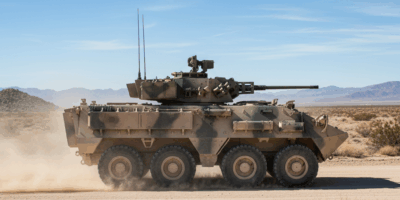
While technically an armored personnel carrier rather than an infantry fighting vehicle, the Stryker deserves mention for its role in American military structure. The eight-wheeled Stryker emphasizes strategic deployability over protection, filling a gap between light infantry and heavy mechanized forces that the Army identified in the 1990s.
The base Infantry Carrier Vehicle carries nine dismounts and mounts a remote weapons station with a .50 caliber machine gun or 40mm grenade launcher. Other variants include the Mobile Gun System with a 105mm cannon, the Anti-Tank Guided Missile variant with TOW missiles, and various reconnaissance and command configurations—there’s a Stryker for almost every mission.
The M1296 Stryker Dragoon mounts a 30mm cannon, approaching true IFV capability. This variant provides Stryker brigade combat teams with direct fire support that base vehicles lack, addressing a recognized gap in the formation’s firepower. The Army continues evaluating enhanced weapon options for the platform.
Stryker’s wheeled design provides superior road speed and strategic mobility compared to tracked vehicles. A C-130 transport aircraft can carry a Stryker, enabling rapid deployment to crisis areas—try doing that with a Bradley. However, wheeled vehicles generally offer less cross-country mobility and protection than tracked alternatives. Trade-offs, always trade-offs.
Combat experience in Iraq demonstrated both strengths and weaknesses. Strykers proved highly mobile on improved roads but vulnerable to IEDs and anti-tank weapons designed for heavier targets. Slat armor additions improved protection against shaped charge warheads, and the vehicle has evolved based on combat lessons.
Future Developments
Next-generation IFV programs are underway in several nations, each trying to solve the same problems with different approaches. The American Optionally Manned Fighting Vehicle program aims to replace the Bradley with a more survivable, networked vehicle capable of manned or unmanned operation. General Dynamics and Rheinmetall are competing for this contract, and the stakes are significant.
Active protection systems represent a significant trend across IFV development. These systems detect and intercept incoming anti-tank weapons before impact, dramatically improving survivability against missiles and rockets. The Israeli Trophy system has demonstrated combat effectiveness on several platforms, and everyone’s paying attention to those results.
Unmanned turrets continue gaining favor, reducing crew exposure and allowing improved protection within weight constraints. Some concepts envision fully autonomous IFVs operating alongside manned vehicles, though this remains technologically and ethically challenging—and plenty of soldiers aren’t comfortable with the idea yet.
Electric and hybrid propulsion systems promise reduced fuel consumption, lower thermal signatures, and improved acceleration. Several development programs are exploring these technologies for future armored vehicles, though fielding remains years away.
Comparative Analysis
Comparing IFVs requires understanding different operational philosophies—you can’t just look at spec sheets. American doctrine emphasizes combined arms operations where Bradleys support tanks and are in turn supported by artillery and air power. Russian doctrine historically favored mass and shock effect over individual vehicle capability, which explains their lighter, cheaper designs.
Protection levels vary dramatically. The Puma approaches main battle tank protection but sacrifices capacity and deployability. The BMP-3 offers impressive firepower but minimal protection. These trade-offs reflect different assessments of future combat requirements and what risks are acceptable.
Firepower has generally increased over time, with 30mm cannons now standard and larger weapons appearing on some designs. Anti-tank missiles provide all modern IFVs with capability against heavy armor, though missile types and engagement ranges vary significantly between platforms.
Cost represents an increasingly important factor that nobody likes to discuss publicly. Modern IFVs cost millions of dollars per vehicle, limiting procurement quantities for everyone except the wealthiest nations. Some armies are exploring lower-cost alternatives that accept reduced capability in exchange for numbers—quantity has a quality all its own.
Conclusion
Infantry fighting vehicles remain essential components of modern armored forces, providing the combination of mobility, protection, and firepower that mechanized warfare demands. Current designs represent decades of evolution and combat experience, while future developments promise even greater capability for those who can afford them.
The selection of an IFV reflects national strategy, industrial capability, and threat assessment. No single design serves all requirements optimally, explaining the diversity of approaches seen worldwide. As threats continue evolving, IFV development will adapt to meet new challenges while preserving the core mission of delivering infantry into battle with the means to fight and win.
Infantry Fighting Vehicle Crew Training and Operations
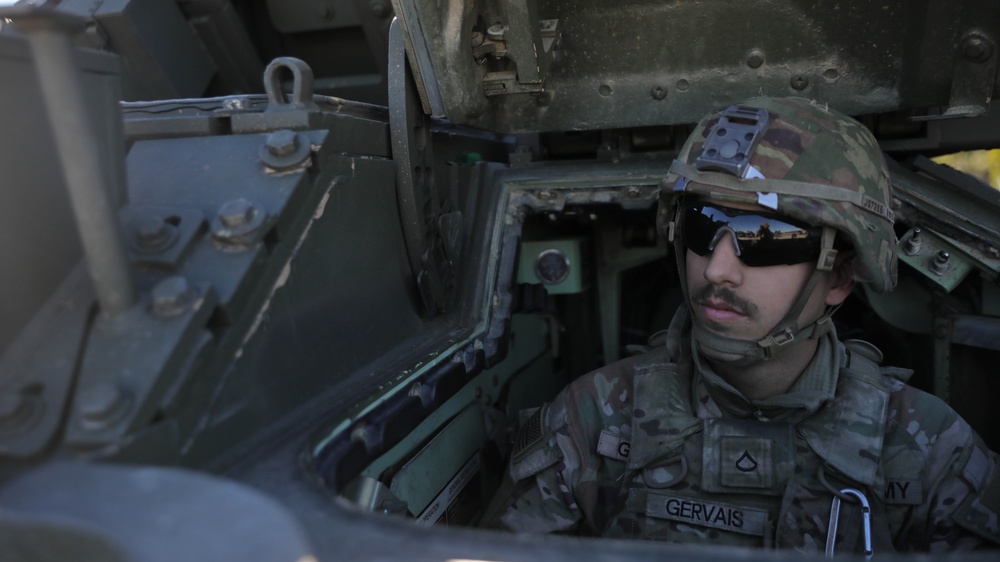
Operating an infantry fighting vehicle requires specialized training that goes well beyond basic armor crewman skills. IFV crews must master vehicle operation, gunnery, communications, and coordination with dismounted infantry. This combined arms aspect distinguishes IFV service from other armored vehicle roles—you’re not just driving or shooting, you’re integrating with infantry in ways that other vehicles don’t.
American Bradley crews undergo training at Fort Moore, Georgia (formerly Fort Benning), learning to operate the vehicle’s complex weapon systems and fire control equipment. Gunnery qualification includes engaging moving and stationary targets at ranges from 200 to 3,000 meters. Crew certification requires demonstrating proficiency in both mounted and dismounted operations—the Army doesn’t let you crew a Bradley until you know what you’re doing.
Dismount integration poses particular challenges that require constant practice. Infantry squads must coordinate movement with their vehicle, knowing when to fight mounted and when to dismount for close combat. Urban warfare has emphasized dismounted operations, as vehicles become vulnerable in confined spaces where they can’t maneuver. Training programs now incorporate extensive urban combat scenarios based on hard lessons learned.
Maintenance responsibilities consume a significant portion of crew time—more than most civilians would guess. Track tension, weapon cleaning, electronics checks, and fluid levels require daily attention. Mechanics work closely with crews to keep vehicles mission-capable, but crews handle many tasks independently in field conditions where help isn’t coming.
Night operations represent a particular IFV strength. Thermal sights allow crews to detect targets invisible to the naked eye, while dismounts may lack such capability. Coordinating these asymmetric capabilities requires practice and clear communication protocols. Modern training simulators allow crews to practice night operations safely and repeatedly before doing it for real.
Tactical Employment of Infantry Fighting Vehicles
Infantry fighting vehicles typically operate as part of combined arms teams alongside main battle tanks, artillery, and aviation assets. The classic tank-infantry team pairs IFVs with tanks for mutual support: tanks provide heavy direct fire while IFVs protect tanks from infantry anti-tank teams and engage lighter targets. It’s a partnership that works when everyone does their job.
Attack missions see IFVs advancing behind tanks to suppress enemy positions and deliver infantry to assault objectives. The combination of 25mm or 30mm cannon fire with infantry maneuver creates dilemmas for defenders who cannot simultaneously counter both threats. Well-trained mechanized forces can overwhelm defensive positions through coordinated fire and movement—it’s violent and effective when done right.
Defensive operations leverage IFV mobility for counterattack and position shifting. Prepared positions with good fields of fire allow IFVs to engage enemy armor at advantage. Anti-tank missiles extend defensive reach beyond direct fire range, allowing engagement of enemy formations before they close. The defender who stays in one position too long gets killed.
Urban warfare presents unique challenges for IFVs that have driven significant doctrine changes. The tall buildings and narrow streets of cities limit fields of fire and create dead zones where vehicles are vulnerable to attack from any direction. Recent conflicts have demonstrated the need for improved situational awareness, protection against attacks from above, and close infantry support. Doctrine now emphasizes combined arms operations at very small unit levels in urban environments—platoon-level coordination that would have been battalion-level decisions in earlier eras.
Air defense has become an increasing IFV mission as drone threats proliferate across modern battlefields. Many IFV autocannons can engage low-flying aircraft and drones, providing point defense for ground units that might otherwise be helpless. Dedicated air defense variants of some IFVs mount specialized radar and weapons optimized for this role, recognizing that the air threat has changed dramatically.
Logistical Considerations
Infantry fighting vehicles require substantial logistical support to maintain operational capability—they’re not low-maintenance machines. Fuel consumption, ammunition expenditure, and maintenance requirements all factor into operational planning and sustainability calculations that determine how long a force can fight.
Fuel consumption varies significantly between designs. Diesel engines generally offer better fuel economy than turbines but may sacrifice power. A typical IFV consumes 50-100 gallons of fuel per 100 miles of cross-country movement, requiring frequent resupply during sustained operations. Fuel trucks and forward arming and refueling points must keep pace with advancing formations, or those formations stop moving.
Ammunition loads include main gun rounds, anti-tank missiles, machine gun ammunition, and smoke grenades. A Bradley carries approximately 900 rounds of 25mm ammunition and seven TOW missiles, adequate for several engagements but requiring resupply after significant combat. Ammunition trucks carrying mixed loads support IFV units in the field, and running out of ammunition in contact is every crew’s nightmare.
Spare parts and repair capability limit operational reach in ways that briefings often understate. Track and road wheel replacements occur frequently in harsh conditions. Engine and transmission issues can immobilize vehicles for extended periods without depot support. Units plan operations around anticipated maintenance requirements and position recovery assets accordingly—you plan for things to break because they will.
Modern IFVs incorporate extensive electronics requiring specialized support that didn’t exist in earlier generations. Software updates, diagnostic equipment, and trained technicians are essential for maintaining complex fire control and communications systems. This electronic sophistication improves capability significantly but adds logistical burden that commanders must account for in their planning.

Stay in the loop
Get the latest military vehicles vault updates delivered to your inbox.