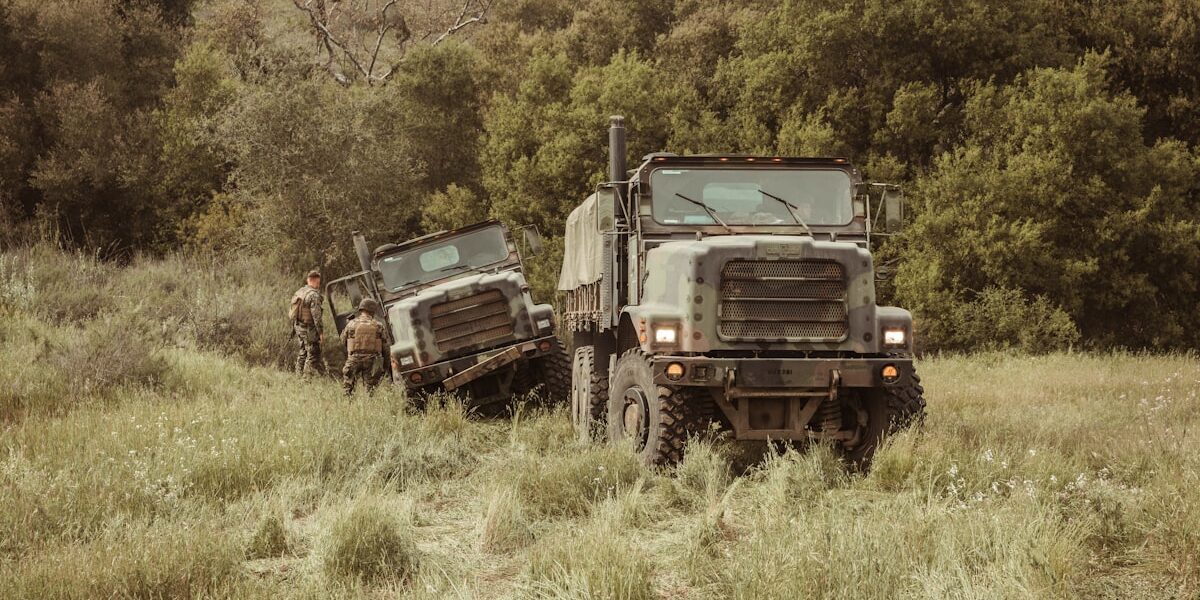
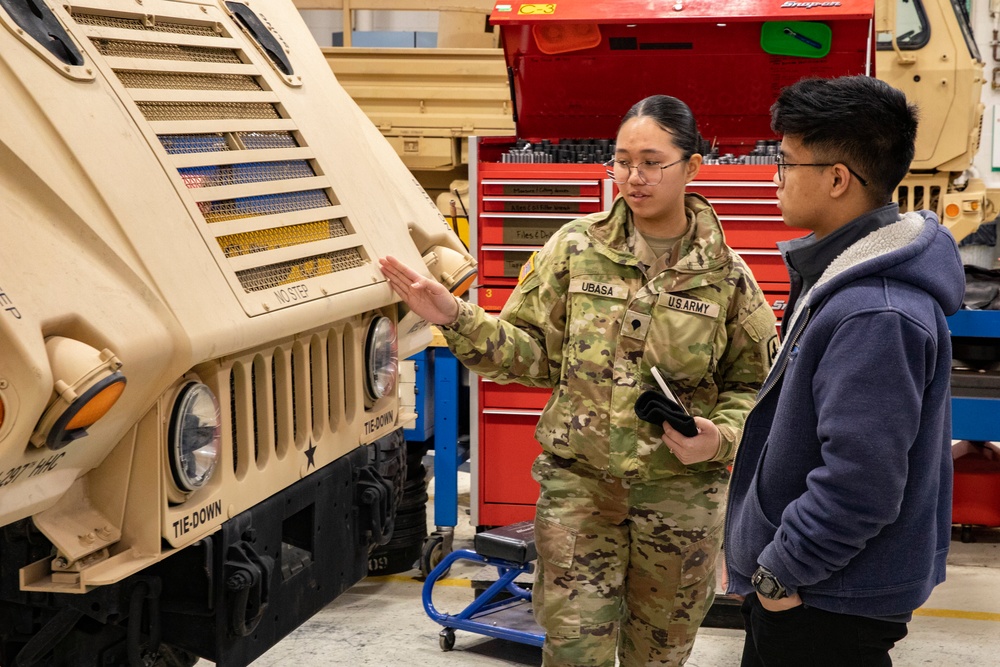
Combat engineer equipment has gotten complicated with all the specialized platforms and capability requirements flying around military planning discussions. As someone who’s spent years studying how armies shape the battlefield and talking to the engineers who operate this heavy machinery under fire, I learned everything there is to know about what makes these machines so essential. Today, I will share it all with you.
Combat engineers shape the battlefield with heavy equipment that would look at home on any construction site—except for the armor plating and the bullets flying overhead. From armored bulldozers to road graders, this equipment clears obstacles, builds fortifications, and opens routes that enable combat operations for everyone else.
The Armored Bulldozer
Probably should have led with this section, honestly. The D7 armored bulldozer represents the militarization of Caterpillar’s legendary earthmover. Standard D7s receive bolt-on armor kits that protect the operator from small arms fire and shell fragments. The resulting vehicle can push through obstacles while shrugging off fire that would kill an unprotected operator—because somebody has to clear the way.
In Vietnam, armored D7s carved landing zones out of triple-canopy jungle, often under active fire. “Rome Plows”—D7s with special cutting blades—cleared vast areas of vegetation, denying concealment to enemy forces. That’s what makes this chapter of engineer history so impressive. These operations demonstrated the tactical value of armored earthmoving equipment in ways that shaped how we think about combat engineering today.
Combat Engineering Vehicles
The M9 Armored Combat Earthmover (ACE) provides engineering capability on a purpose-built armored chassis rather than a modified civilian dozer. This amphibious vehicle combines dozer blade, scraper bowl, and mine-clearing capabilities in a single platform that can keep pace with armored formations pushing forward.
The ACE can excavate hull-down fighting positions for tanks in minutes, clear minefields, fill anti-tank ditches, and build hasty fortifications. Its speed and armor allow it to work in the combat zone rather than waiting until areas are secured—and in fast-moving operations, that capability matters enormously.
Road Graders and Scrapers
Military road graders maintain the improvised roads that supply forces cross in remote areas. In austere environments where paved roads don’t exist, keeping routes passable requires constant maintenance. Armored cab kits protect operators on graders working in hostile areas where the threat might come from any direction.
Large scrapers move massive quantities of earth rapidly, building berms, filling ditches, and creating airfield surfaces where none existed before. During Desert Storm, scrapers helped breach Iraqi defensive lines by filling anti-tank ditches that were supposed to stop the armored advance cold. Instead, they became speed bumps.
Route Clearance Equipment
Mine plows and mine rollers attach to tanks and engineer vehicles, defeating buried mines ahead of following vehicles. The M1 Assault Breacher Vehicle combines mine plow, line charges, and lane-marking equipment on an M1 Abrams chassis to rapidly breach enemy minefields—I’ve covered this beast in detail elsewhere on the site.
Specialized route clearance vehicles like the Husky use ground-penetrating radar and other sensors to detect buried IEDs before convoys roll over them. These vehicles proved absolutely essential in Iraq and Afghanistan, where the IED threat demanded sophisticated detection capabilities that saved countless lives.
Engineer Support in Modern Operations
Combat engineers with heavy equipment remain essential to military operations regardless of how much technology changes other aspects of warfare. Whether building forward operating bases, clearing rubble in urban combat, or constructing survivability positions that keep troops alive, these machines and their operators enable combat power. That’s what makes engineer equipment so valuable—the combination of construction capability and combat survivability is unique, and armies that neglect this capability pay for it when the shooting starts.


Stay in the loop
Get the latest military vehicles vault updates delivered to your inbox.